
Dive Deep Into Osaka’s Select Shop Scene: A City-Walking Guide Combined with a Street Kart Experience
When thinking about shopping in Osaka, areas like Shinsaibashi, Minami-Horie, Amerikamura, and Minami-Semba easily come to mind. While all of them are within walking distance and feel connected, the moment you actually walk through them, the atmosphere shifts from street to street—the way shops present themselves, the flow of people, and the tempo of your stay all change. Apart from a day spent revolving around large commercial complexes, there’s a uniquely Osaka kind of density to be found in moving from block to block, picking up the individual character of each area.
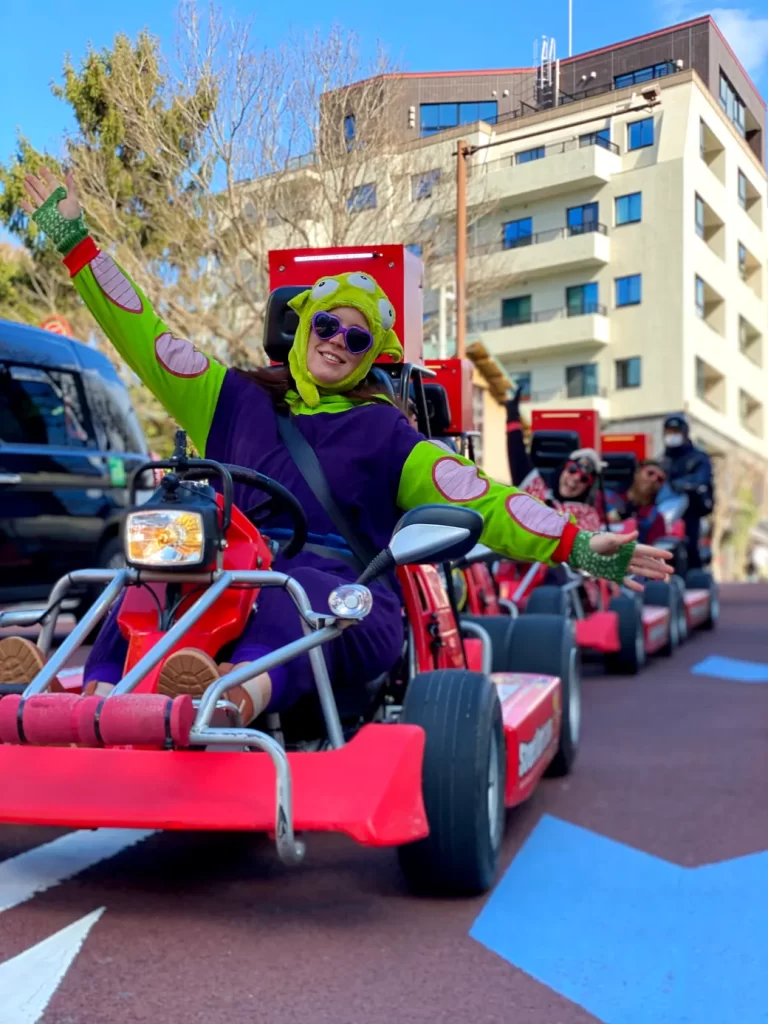
One way to grasp the character of the Minami area in Osaka is to build a Street Kart experience into your day, either before or after shopping. According to the official Street Kart website, the Osaka course is described as roughly one hour, covering central Osaka and running through areas around Amerikamura, Shinsaibashi, and Dotonbori. For anyone who wants to take in the layout of the city and the way one neighborhood flows into the next in a short amount of time—something that’s hard to grasp on foot alone—it works beautifully as a way to set the stage for the rest of your walking day. For course details and reservations, check the official site at https://kart.st/.
Why Select Shop Hopping in Osaka Works So Well as a Travel Experience
What makes shopping in Osaka so manageable for travelers isn’t just the wide variety of merchandise—it’s that each area has a relatively clear personality. You can walk with a target genre in mind, whether vintage clothing, designer brands, everyday goods, interior items, accessories, tableware, or sundries. Or, just as easily, you can leave your goals loose and drop into shops based on the vibe of the street you’re on.
Around the Minami area in particular, places that look close on a map can feel surprisingly different when you visit for the first time, and the distinctions can be hard to pick up by sight alone. Step one street off a major thoroughfare and the density of shops and the direction of people’s attention shifts—you’ll find yourself moving naturally from busy, energetic spaces to quieter ones where you can browse merchandise in peace. So if you want to get the most out of a limited stay, it’s easier to plan around which area you’ll spend which time of day in, rather than just stringing together famous spots.
Getting a feel for the bigger picture before walking around makes those moment-to-moment decisions much easier. For example, once you understand how the main central areas of Osaka connect to each other, judgments like “let’s head somewhere quieter next” or “let’s move to a busier place for a meal or a break” come more naturally. If you think of the Street Kart experience not as transportation but as time spent absorbing the outline of the city, it slots neatly into a shopping-focused itinerary.
Walking Each Area With Its Character in Mind
Minami-Semba
Minami-Semba pairs well with travelers who want to browse clothing and small goods in a calm, settled environment. Step just a little away from the buzz of Shinsaibashi and the very speed at which you walk seems to change. Many shops are tucked into the upper floors of buildings or set back from the main streets, so rather than tracing a line of storefronts in order, this is an area where the best discoveries come from stepping into a building that caught your eye.
The way shops are designed here tends to emphasize materials, silhouettes, and the thinking behind the pieces, rather than chasing strong trends. When shopping while traveling, taking home one memorable piece often brings more satisfaction than seeing huge volumes of merchandise. Minami-Semba fits beautifully with that approach, and it works just as well when you’re looking for goods around home and lifestyle as it does for fashion.
Minami-Horie
Minami-Horie is an area where you can naturally string together fashion, miscellaneous goods, interior shops, and a café stop into one smooth flow. Many shops sit right along the street with easy entrances, making it feel approachable even on a first visit. Even though there are plenty of stylish, design-conscious shops scattered around, the neighborhood as a whole never feels overly stiff, so it’s easy to keep your strolling rhythm.
For the Osaka location of Street Kart, the official site lists the address as 1-14-19 Minami-Horie, Nishi-ku, Osaka, with the shop about a 4-minute walk from Yotsubashi Station. Because the location lines up so well with walking around the Minami-Horie area, it’s easy to take a short walk through the neighborhood before your reservation, or wander back through the local shops after the experience. It also works well on days when you’d rather not pack in too much sightseeing and want to preserve a deeper rhythm in your wandering.
Amerikamura
Amerikamura suits travelers who want to feel a youthful, street-culture-charged atmosphere. Just walking the streets, the personality of the area comes through in the colors on the walls, the way signage is designed, and the styles people wear. Even without a clear shopping goal, you can enjoy the atmosphere itself, and the impressions tend to stick even from a short visit.
The official Osaka course also lists Amerikamura as part of the driving route. Going back on foot after actually driving through it makes it much easier to understand which streets connect to which, and how this neighborhood flows into the next. For those who want to grasp the skeleton of the city before diving into shopping, this is a sequence that really works.
Shinsaibashi
Shinsaibashi is a central area where it’s easy to combine sightseeing and shopping. The main avenues see heavy foot traffic, so they’re easy to walk even when you don’t have a specific destination in mind, while turning into the side streets reveals shops with strong individual character. The price ranges and types of stores cover a fairly wide spread, which makes it a convenient meeting point or rest spot during a day of travel.
The Osaka course also includes the Shinsaibashi area as part of its route. Seeing the overall layout from public roads first makes it much easier later to decide on foot “how far to walk” or “where to turn back.” Even on a day centered around shopping, simply having a sense of how the city connects can change how tired you feel by the end of it.
Dotonbori
Dotonbori is less a shopping area and more a hub for experiencing the visually dynamic energy that defines Osaka. It pairs well with meals, photo stops, and evening strolls, and it’s a great area to use as a closing point for a shopping day. The Osaka course route includes the Dotonbori area as well, so you can build a flow where scenes you spotted while driving become things you revisit on foot later.
If you don’t want to fill the whole day with just shopping, and you’d like meals and breaks to happen against a distinctly Osaka backdrop, placing Dotonbori toward the end of your route makes the flow of the day cleaner. Since it’s a place loaded with visual information, moving there after carefully browsing shops in Minami-Semba or Minami-Horie creates a nice shift in the texture of the day.
What It Means to Combine a Street Kart Experience With City Walking
Osaka’s shopping areas are perfectly enjoyable on their own. But from a traveler’s perspective, deciding on the spot how much time to spend where can be tough. That’s why placing a Street Kart experience either at the start or in the middle of your day gives you a sense of scale that’s hard to get on foot alone.
According to the official Street Kart site, the Osaka course is about one hour long and covers the areas around Amerikamura, Shinsaibashi, and Dotonbori. It serves a different purpose from walking around freely on your own, and it isn’t a replacement for shopping. But as a way to quickly grasp how the main areas relate, how the streets connect, and how the energy density rises and falls, it makes everything else you plan afterward much easier to organize.
When you’re shopping on foot, your attention naturally locks in on the shopfronts, the merchandise, and whatever is within your immediate line of sight. Looking at the cityscape from the public roads instead shifts your attention to how buildings line up, how wide the streets are, how people flow, and how one area transitions into the next. Holding both perspectives lets you understand even the same Minami area at a deeper level. The Osaka you see as a tourist and the Osaka you use as a shopping playground start to overlap—and even within a limited stay, that overlap is what packs more density into your day.
Things to Check Before You Join
If you’re going to fit a Street Kart experience into your travel plans, the very first step is confirming the participation requirements. License-related details are posted on the official page at https://kart.st/en/drivers-license/. That page lays out which license categories are valid for driving on public roads in Japan—a Japanese driver’s license, an International Driving Permit based on the 1949 Geneva Convention, certain licenses accompanied by an approved translation document, SOFA-related cases, and so on. Since the eligible conditions vary case by case, you’ll need to check the official page before departure to confirm whether your own documents qualify.
The official site also notes that if you don’t bring the original required documents, you can’t participate. It’s tempting while traveling to rely on photo backups or copies, but since this is information that determines whether you can take part at all, it’s much easier to confirm well in advance rather than right before your visit.
For the Osaka location, the site explains that you should arrive at least 30 minutes before your reservation, present your valid license and ID at check-in, and that a briefing is given before driving. There’s also guidance on clothing—heels, sandals, and long skirts should be avoided. When combining the experience with walking the city, you’ll want to think not just about comfort for walking but whether your outfit also meets the participation conditions.
How to Build a Shopping-Centered Day
When balancing shopping in Osaka with a Street Kart experience, the satisfaction of the day tends to hold up better if you don’t try to spread yourself evenly across too many points. For example, browsing carefully through Minami-Semba and Minami-Horie in the morning, slipping in a meal around noon, then booking your experience for afterward makes it easier to refresh your perspective before walking fatigue sets in.
Alternatively, if you want to grasp the layout of the city quickly on the first day of your trip, you can put the Street Kart experience first and then narrow down which places to revisit on foot. After driving, deciding “I want to take more time on the Minami-Horie side” or “I want to focus on the side streets of Shinsaibashi” makes the rest of your movements much more organized. Once you walk around with the big picture already in mind, even the felt distances—the things map apps can’t quite convey—become easier to sense.
Starting from around Minami-Horie, heading to the Osaka shop for your reservation, then walking toward Shinsaibashi after the experience is a sequence that brings out the continuity between areas. Adding dinner in the Dotonbori area in the evening also makes the contrast between the city’s daytime and nighttime impressions easy to pick up. Separating “times when I want to see the lively, distinctly Osaka energy” from “times when I want to look at merchandise quietly” is a powerful technique for making city walking and shopping coexist.
Adding Another Way to See Osaka
The appeal of select shop hopping isn’t just the items themselves—it’s that you experience each shop as part of the atmosphere of the neighborhood it sits in. Around the Minami area in Osaka, different expressions are layered into a small distance, so the way you choose your streets can dramatically shape the impression of your day. The quiet selection time in Minami-Semba, the wandering rhythm of Minami-Horie, the cultural texture of Amerikamura, the connective foot traffic of Shinsaibashi, and the moments of distinctly Osaka scenery in Dotonbori each play a different role.
Add a Street Kart experience on top of that, and you bring a fresh angle to a city understanding that, on foot alone, tends to feel fragmented. By grasping how central Osaka connects when seen from the public roads first, it becomes easier to decide your shopping priorities, and even with limited time, you can shape a day with fewer regrets and a satisfying balance.
For the latest details on the Osaka course, the shop location, and reservations, see https://kart.st/en/osaka.html. For the full overview, check https://kart.st/, and for license condition details, see https://kart.st/en/drivers-license/. By combining the kind of shopping that comes from walking the streets and picking things out with the wider perspective of seeing the city by Street Kart, the Minami side of Osaka starts to feel less flat and far more three-dimensional.
A Note About Costumes
We do not rent out costumes related to Nintendo or “Mario Kart.” We only offer costumes that respect intellectual property rights.

